The Cave of Pan was excavated for a short period of time in 1958, by I. Papadimitriou who identified it as the one described by the ancient traveller Pausanias (I, 32, 7). Several years later, the Ephorate of Palaeoanthropology and Speleology decided to include the cave into a rescue excavation program and conducted new research between 2014 and 2018. It was ascertained that the cave was used during the Neolithic period, the Bronze Age and the historic times.
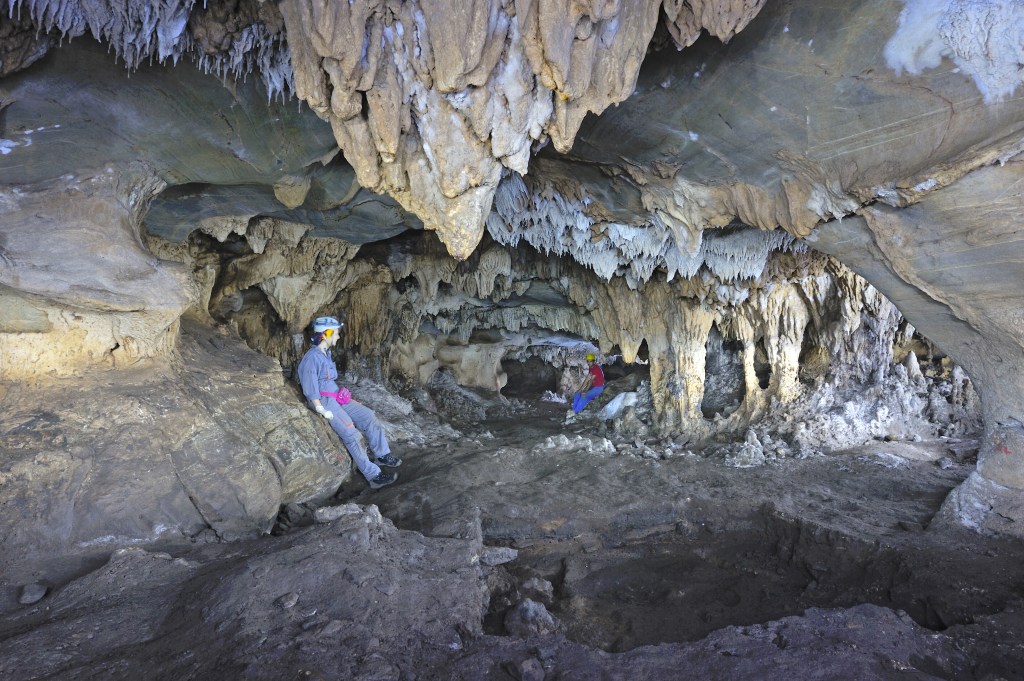
The prehistoric remnants discovered testify to the persistent use of this monument as a place for the interment of selected disarticulated human bones since the Early Neolithic (mid-7th millennium B.C.). The quantity of the bones increased gradually throughout the Middle Neolithic, whereas in the Late Neolithic the practice was intensified and acquired distinctive characteristics, eventually transforming into a specific custom carried out between 5300/5200 and 4700/4550 B.C. The variation and method of performing these Late Neolithic secondary burials lend special interest to the finds due to their uniqueness; no similar phenomena dated to this particular chronological phase have ever been brought to light in any other Greek site.
Secondary burials continued until the beginning of the Final Neolithic and it seems that Late Mycenaean visitors used the cave as a place for practicing funeral rituals.
Approximately 700 years later, the monument comes to the fore anew, functioning as a sanctuary dedicated to deities of vegetation and fertility (the Nymphs, Pan, Kybele, Artemis and Hermes). Its intensive use ceases after the first half of the 6th century A.D.
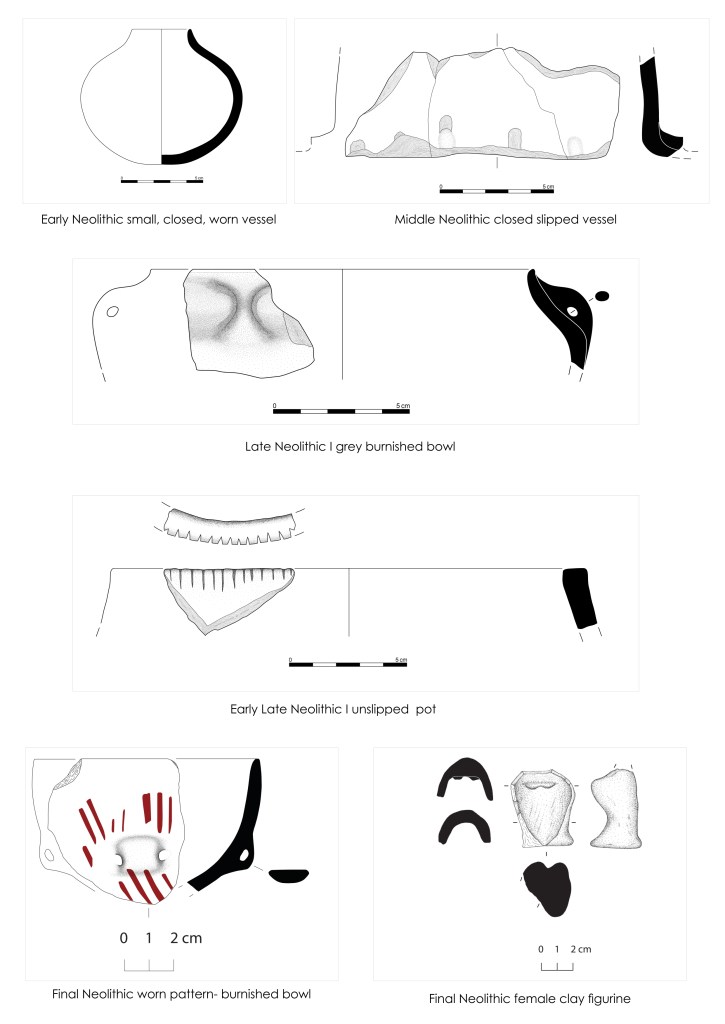
The significant financial support provided to the Marathon project through the grants awarded by MAT is utilised for the preparation of drawings, inking (S. Vavatsikos and O. Metaxas) and photographic presentation (K. Xenikakis) of the abundant finds originating mainly from the Neolithic deposits of the Cave of Pan. The drawings and photographs will constitute the essential appendant material for the final publication of the specific archaeological finds.
For more information regarding this project, please reach out to Dr. Alexandra Mari via email at amari@culture.gr.
References:
Facorellis, Y., Mari, A., Oberlin, C. 2017. The Cave of Pan, Marathon, Greece – AMS dating of the Neolithic phase and calculation of the regional marine reservoir effect. Radiocarbon 59, 5: 1475-1485. https://doi.org/10.1017/RDC.2017.65
Mari, A., Facorellis, Y. 2019. 56 years later: excavating anew the Cave of Pan at Marathon and dating its anthropogenic deposits. Archaeology and Archaeometry: 30 years later’, 7th Symposium on Archaeometry of the Hellenic Society for Archaeometry, Athens, Byzantine and Christian Museum, 9-12 October 2019, Book of Abstracts, eds. A. Oikonomou – M. Kaparou, 23-24. Athens: Byzantine and Christian Museum, Ministry of Culture and Sports.
Bravo, J.J. III and A. Mari. 2021. The Cave of Pan at Marathon, Attica. New evidence for the performance of cult in the historic era. In Cave and Worship in Ancient Greece. New approaches to Landscape and Ritual, eds. S. Katsarou – A. Nagel, 144-166. Routledge: London, New York.
Mari, A. forthcoming. Neolithic representations of human figures upon stone or clay: the case of the Cave of Pan, at Marathon – Attica, Greece. In Figurine making in the Aegean Neolithic, eds. S. Nanoglou – F. Mavridis.

 M.A.T.