Blog

Featured work (2017): the materialization of burial ideology in a Minoan community

The materialization of burial ideology in the Minoan community of Porti in the Mesara (Stephanos Xanthoudides’ excavation)

The aim of the project is the preparation of a monograph presenting one of the richest burial assemblages in south-central Crete recovered from the Minoan Tholos Tomb P at Porti (ca. 2700-1700 BC). All finds from the tomb, including human remains, ceramic vessels, obsidian tools, clay figurines, bronze daggers and tools, sealstones and gold jewellery pieces will be published with a theoretically-informed approach.

The study will focus on site-level specifics rather than the macro-scale (Crete/the Mesara valley), in order to overcome past interpretive trends (evolutionism or empirical reductionism and island-wide models). The project’s greatest asset is the interdisciplinary collaborative work which will integrate intra-site analysis with the following scientific methods:

  • Raman spectroscopy on stone artefacts
  • pXRF analysis of metal artefacts
  • osteological study (age, gender, practices of burial deposition)
  • stable isotope analysis (population diet)
  • DNA analysis of human remains combined with radiocarbon dating
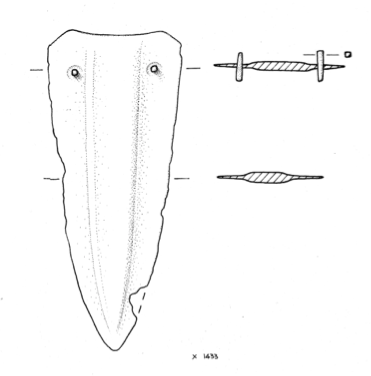
Flouda 1
Bronze dagger blade from Porti (Early Minoan period, 3rd millennium B.C.). Drawing by G. Merlatti. © Heraklion Archaeological Museum/ Porti Tholos Project

The generosity of MAT funding expedites this international collaboration of specialists pressing forward the precipice of archaeological methodology. The resulting publication will bring to light the total findings from a nearly century-old excavation.

For further information, please contact Dr Georgia Flouda (Archaeologist, Head of the Department of Prehistoric and Minoan Antiquities, Heraklion Archaeological Museum) on gflouda@gmail.com.
 

Featured work (2017): The Academy of Plato before Plato

The Academy of Plato before Plato: a contribution to Early Iron Age Attica

The site of the Academy lies in one of the oldest neighbourhoods of Athens, only 3 km west of the city centre and belongs to the wider area of Kolonos. Although mostly known for its association with Plato and the foundation of his philosophical school, as reflected on the modern name of the area too activity at the site goes much longer in time. In particular the excavated remains represent the best preserved settlement remains of the Geometric period known from central Athens.

Early Iron Age Academy forms part of the archaeology of early Greece within the broader frame of «Classical Archaeology». The conducted research is however multifold, since it applies both on the architectural remains, the burials of the site and the movable finds related to them, extending to issues on early feasting activities, housing, burial customs and social organisation. The ultimate aim is to offer the best insights possible to the archaeology of a settlement in Athens during the 8th century BC.

The setting up of the monograph on the early archaeology of the site would not be possible without the funding provided by MAT.

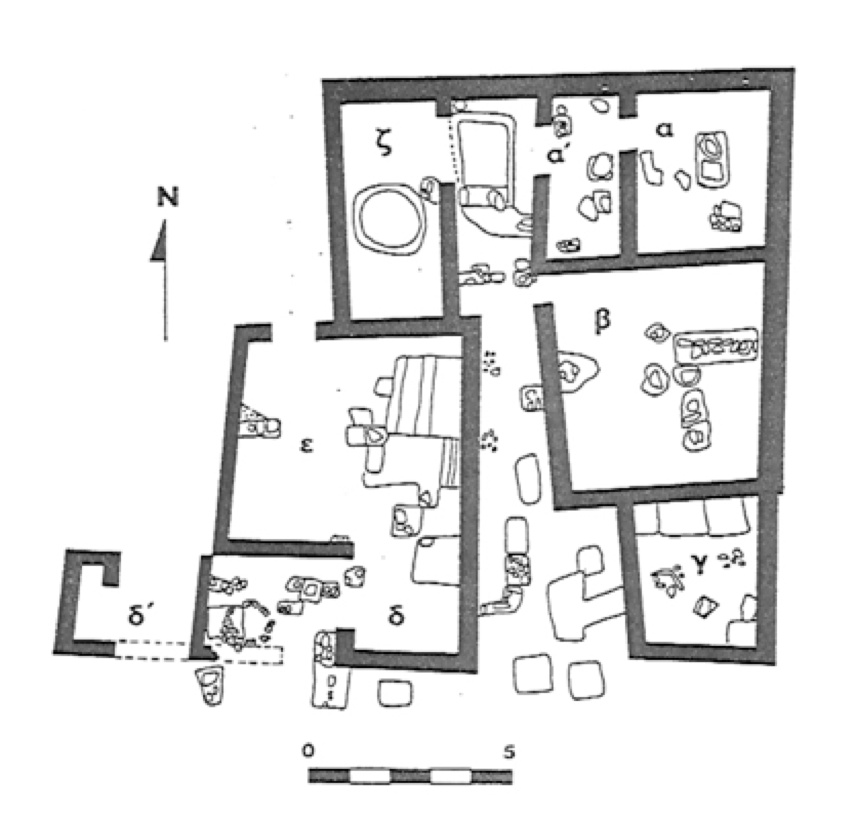
Pic 1

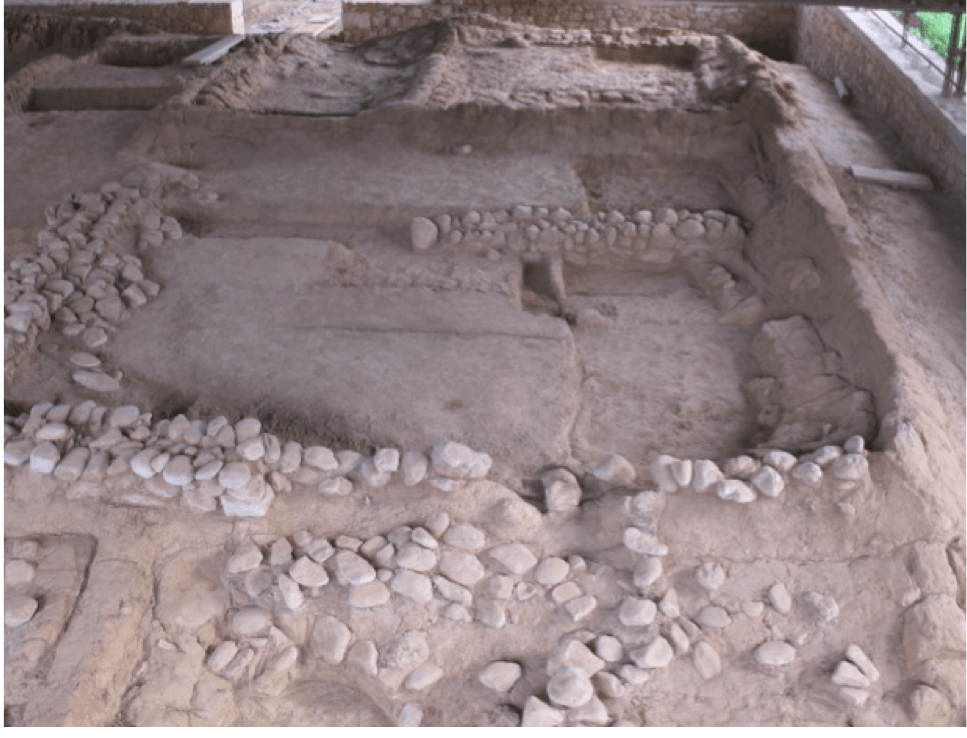
The architectural remains at the Academy, known as the “Sacred House”. Source: After Mazarakis Ainian 1997, fig. 132

Pic2
Part of the architectural remains at the site after the recent excavation of 2015 (Photo: A. Alexandridou).

For further information, please contact Dr Alexandra Alexandridou at alexandraalexandridou@gmail.com.

Applications for 2018 grants open

The Mediterranean Archaeological Trust (MAT), set up in 1959 for the promotion of the study of archaeology, invites applications for grants, made on a competitive basis, for expenses in 2018-19, in the preparation for final publication of material from archaeological excavation or fieldwork in the Mediterranean world.

To see how to apply, visit Applications.


Mycenean Krater_cropped
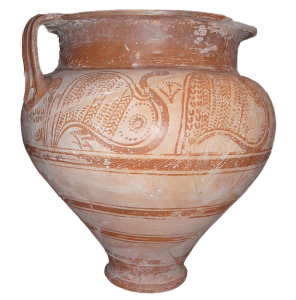
Mycenean krater found in Cyprus. Source: Wikimedia Commons (https://commons.wikimedia.org/wiki/File:Mycenean_krater.jpg).